Lens specifications
Read lens specifications with their context
Keep the model, label, unit and conditions beside each figure in a comparison.
Read the guide
The cinematography field journal
Independent guides to anamorphic lenses, exact camera arrangements and the path from recording to a considered frame.
Start with the frame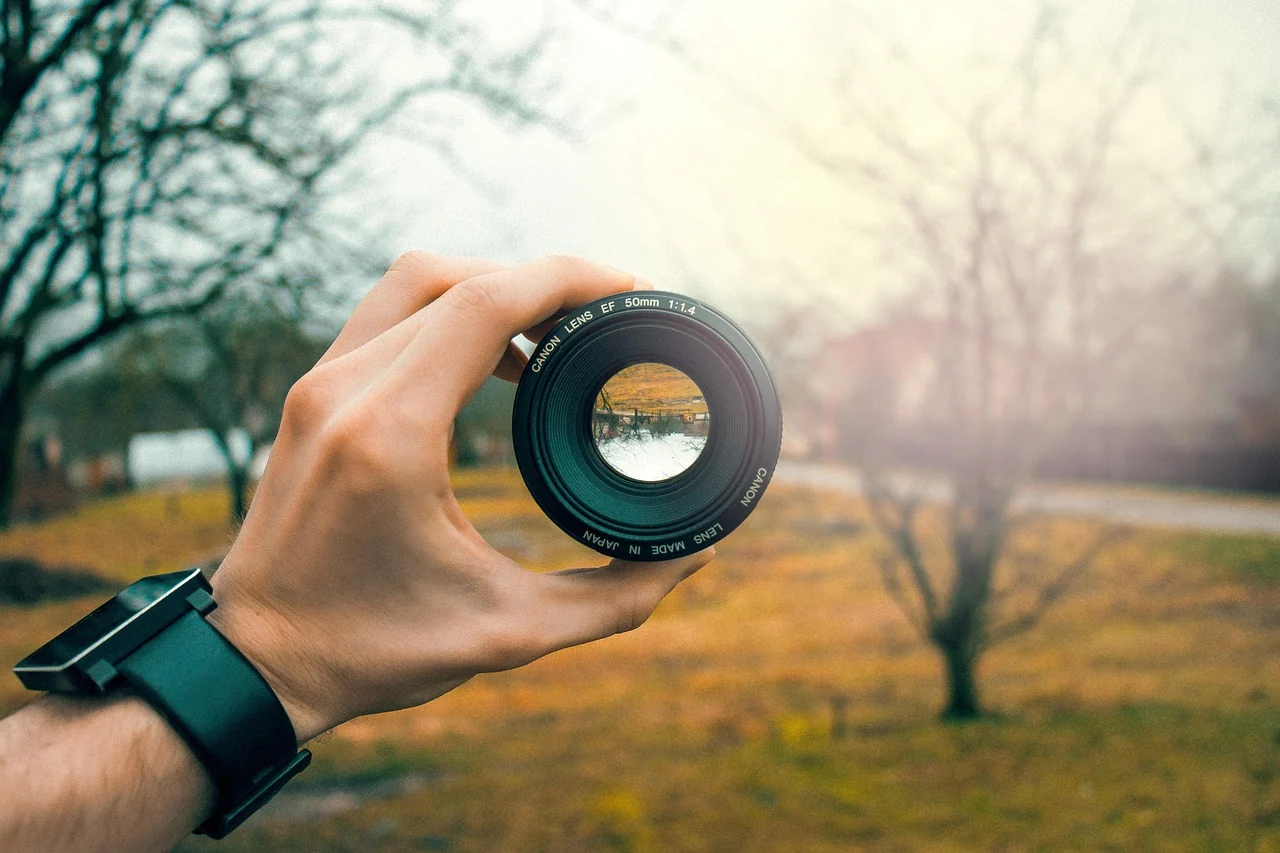
Start with the picture
A scene, a camera, a way to view the image and a frame to deliver. Keep those parts of the plan in the same conversation.
Our independent guides bring the optical idea together with the exact equipment references and practical questions.
A relationship of proportions
The optical squeeze, the recorded shape and the intended final frame are related decisions. Give each one a clear label in your plan.
Follow the frameSqueezed shapeHorizontal compression
Restored proportionsAfter horizontal desqueeze
Know which image you are looking at
Keep a display setting beside the display it belongs to. Check the recorded file and the intended finishing path in their own context.
The actual camera mode and the image it stores.
The screen or monitor and its documented treatment.
The agreed interpretation, crop and delivery frame.
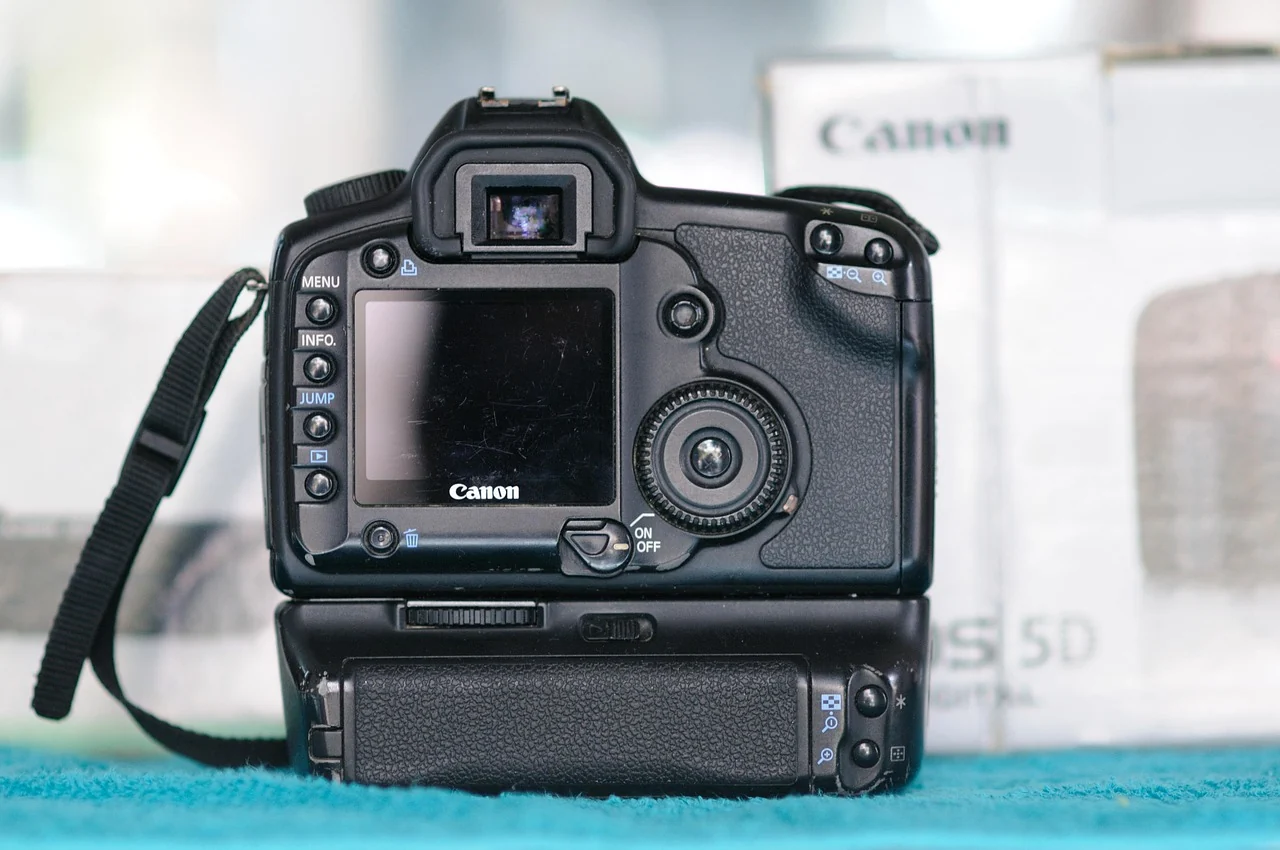
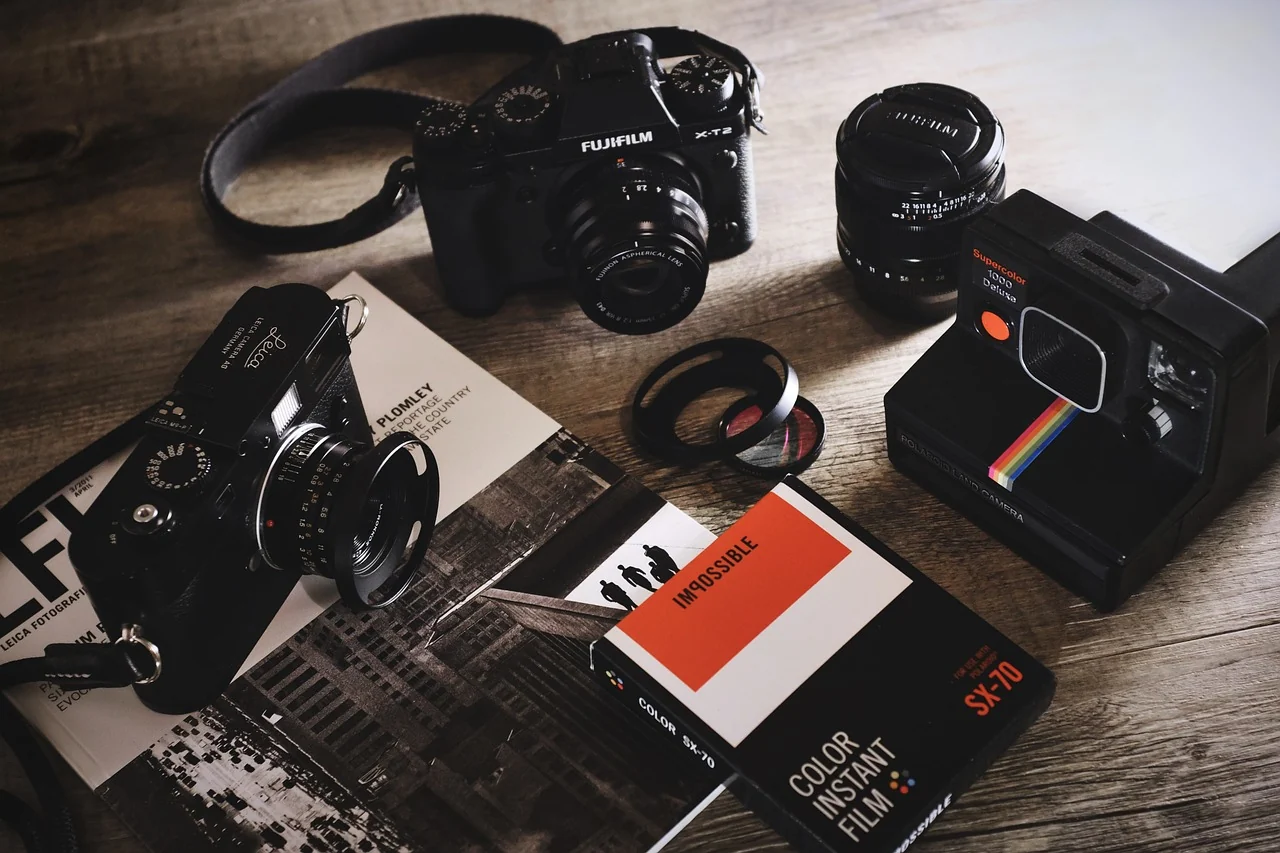
The particular equipment
A precise reference is a useful starting point. Keep the exact variant, the relevant document and the detail you still need to confirm.
Give your own observations and preferences their place beside the published specification.
Read the detailsFrom the field journal
Lens specifications
Keep the model, label, unit and conditions beside each figure in a comparison.
Read the guideFraming and format
Distinguish the recorded shape, viewing correction, finishing path and intended crop.
Read the guideCamera and mount
Keep mount, coverage, recording mode and the supplied version in separate, useful questions.
Read the guideAnamorphic basics
Connect the lens, camera, viewing image and final frame in one considered plan.
Read the guide